Choosing A Condo Or House In Hollywood FL
April 16, 2026
April 16, 2026
Trying to decide between a condo or a house in Hollywood, FL? It is a common question, and the answer is not just about square footage or price. In a coastal market like Hollywood, your best choice often comes down to how you want to live, how much upkeep you want to handle, and what monthly costs you can comfortably carry. If you are weighing convenience, privacy, association fees, and flood risk, this guide will help you compare your options with more clarity. Let’s dive in.
Hollywood offers a mix of beach living, downtown energy, and more traditional residential areas inland. According to the City of Hollywood, the city features more than 60 parks, seven golf courses, seven miles of beaches, and the well-known Hollywood Beach Broadwalk. The city also notes shuttle service between the beach area and Downtown Hollywood, which helps explain why condos and lower-maintenance homes are especially popular in certain parts of the city.
That local layout matters when you are choosing a home type. If you want to be near the beach or downtown activity, a condo may align better with your lifestyle. If you want more privacy, more control, or a longer-term setup with outdoor space, a house may feel like the better fit.
Hollywood also has a broad mix of owners and renters, which can influence both affordability and resale dynamics. The U.S. Census QuickFacts for Hollywood reports an owner-occupied housing rate of 58.9% and a median owner-occupied home value of $410,600. That is a helpful reminder that in this market, the purchase price is only part of the financial picture.
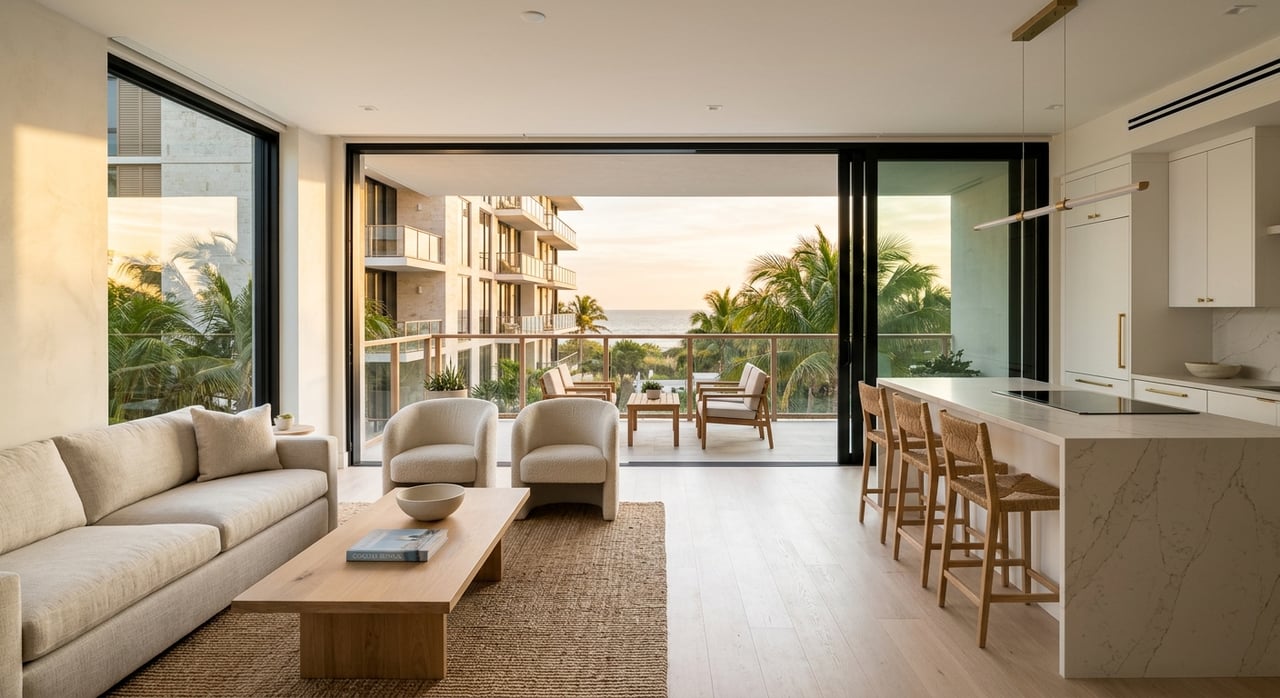
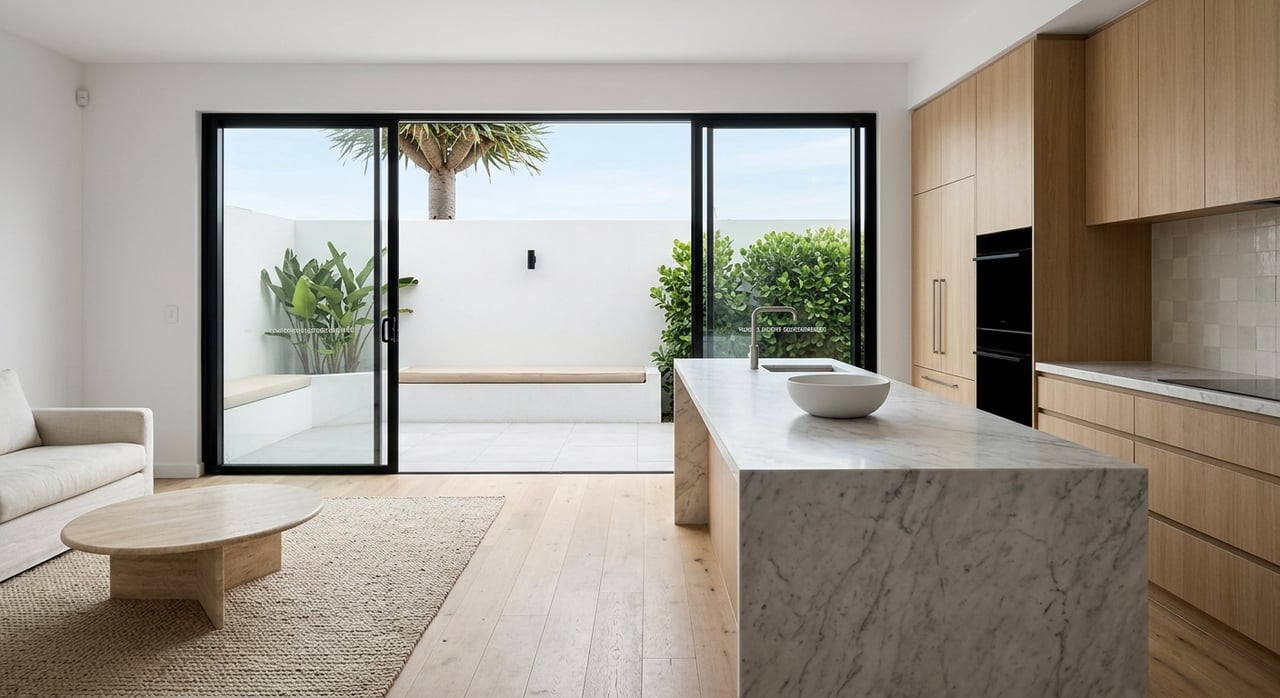
A condo can be a strong fit if you want a simpler ownership experience, especially near the beach or downtown. Under Florida condo law, the association is responsible for maintaining common elements, and common expenses generally include the cost of operating, maintaining, repairing, replacing, or protecting those shared areas.
For you, that often means less direct responsibility for exterior maintenance. You may not need to worry as much about roof work, building systems, or common-area upkeep on your own. That convenience can be a major plus if you travel often, want a lock-and-leave property, or simply prefer lower day-to-day maintenance.
The tradeoff is that you are more dependent on the association’s budget, reserves, and overall building condition. Monthly dues are a real part of ownership, and those costs need to be weighed alongside your mortgage, taxes, insurance, and any special assessments.
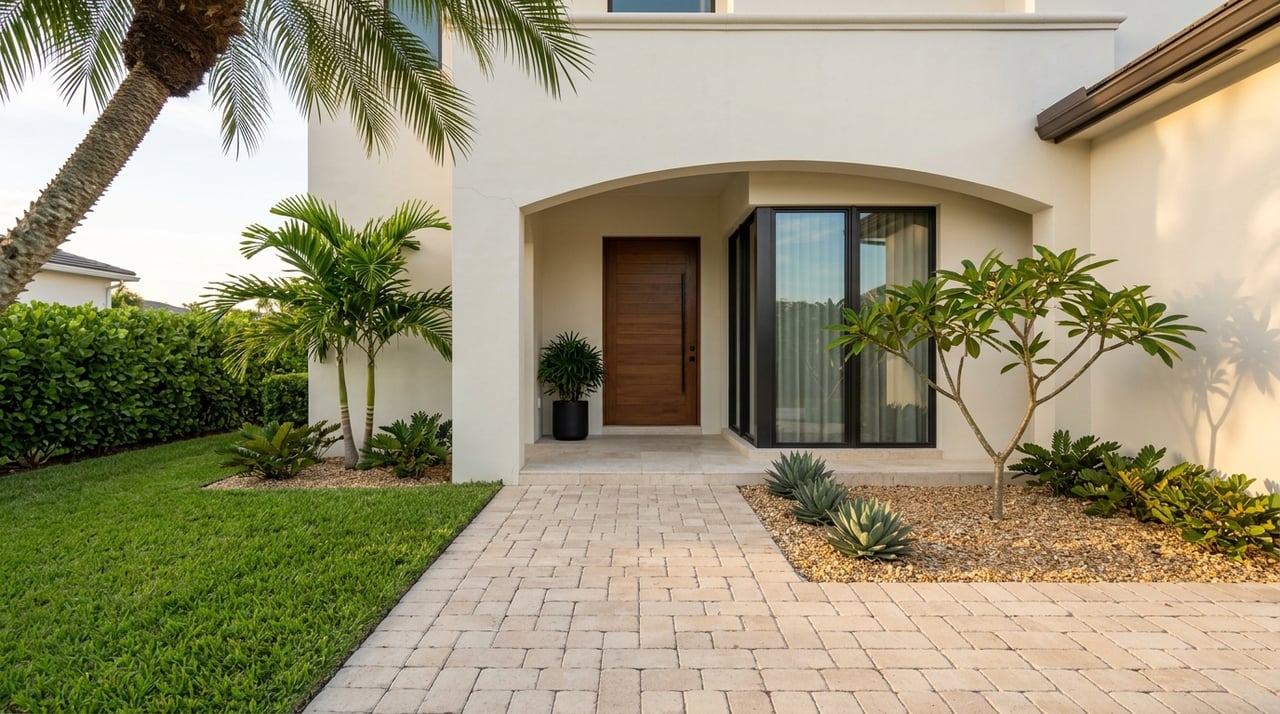
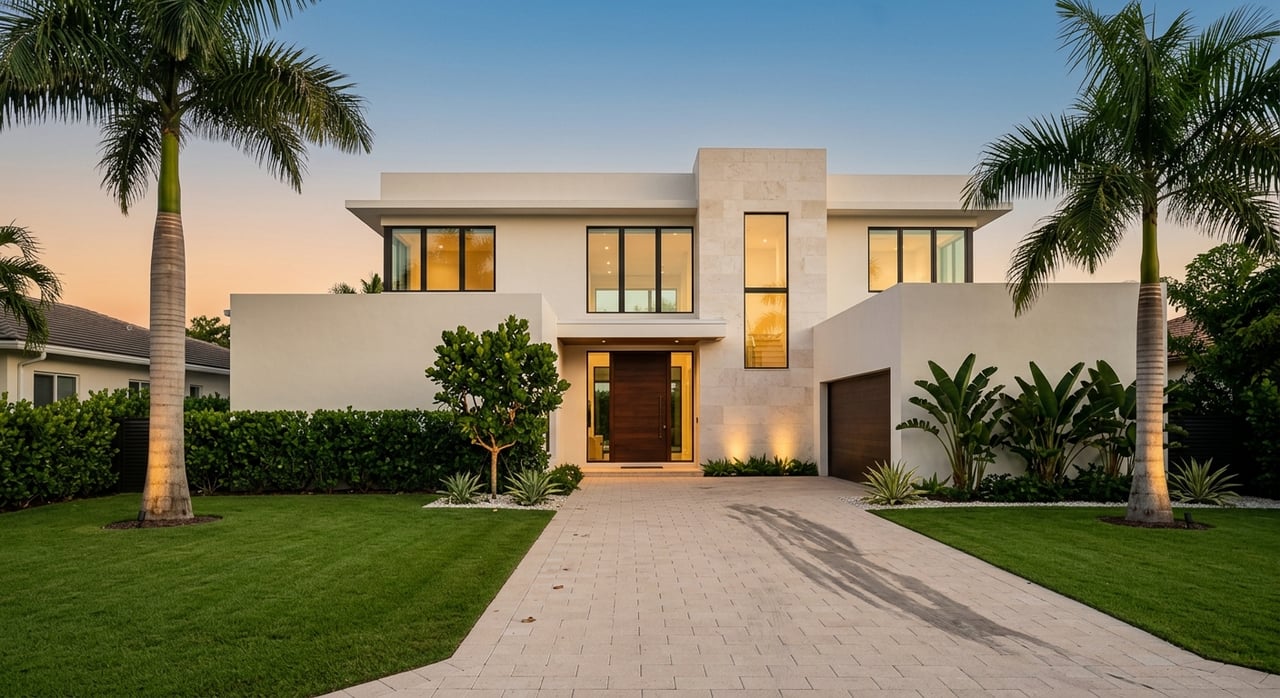
A single-family home usually gives you the most independence. In practical terms, that often means more privacy, more space, and more control over the property itself.
In Hollywood, that can appeal to buyers looking at older inland areas or historic sections of the city. The City of Hollywood Historic Preservation page highlights the city’s historic housing stock, including areas associated with older homes and a more traditional residential setting.
The key tradeoff is responsibility. With a house, you are generally the one handling the roof, exterior, yard, drainage concerns, and storm-related upkeep. For some buyers, that control is worth it. For others, the added time and cost make a condo or townhome more practical.
If you are stuck between the two, a townhome may be worth a closer look. Townhomes often sit between condos and detached homes when it comes to privacy, storage, and maintenance.
Under Florida HOA law, associations can levy assessments tied to common areas and amenities, and they are required to maintain annual budgets and official records. What really matters for you is not the label alone, but what the governing documents say the association covers versus what you own and maintain yourself.
That means one townhome community may cover exterior items like landscaping or shared amenities, while another may place more of that burden on the owner. Before you decide, make sure you understand exactly where that line is drawn.
One of the biggest mistakes buyers make is comparing homes based only on the asking price. In Hollywood, the smarter move is to compare the full monthly carrying cost.
For a condo or townhome, that usually means adding in association dues, reserve contributions, insurance considerations, and any known assessment risk. For a house, you may have fewer association costs, but more direct expenses for maintenance, repairs, landscaping, and exterior systems.
Florida law treats condo common expenses as shared costs of the association, and state statutes on condo expenses make clear that those dues are tied to the actual cost of operating and maintaining the community. A lower purchase price does not always mean a lower total cost.
If you are looking at condos or townhomes, ask for a clear breakdown of what the monthly fee includes. You want to know what is covered, what is excluded, and whether there are any pending changes to reserves or assessments.
That answer can change how affordable a property really is. Two homes with similar list prices can feel very different once you account for fees, insurance, and future building obligations.
If you are considering a condo in a building that is three stories or higher, Florida’s recent condo rules deserve close attention. Under Florida law on milestone inspections, certain condo and co-op buildings must complete milestone inspections by the year they reach 30 years of age, and some local enforcement agencies can require them sooner in coastal or other local conditions.
That same law does not apply to a typical single-family, two-family, three-family, or four-family dwelling with three or fewer habitable stories above ground. So if you are comparing a condo with a detached house, this is one of the areas where the ownership experience can differ in a meaningful way.
Florida also requires a structural integrity reserve study for condominium buildings that are three habitable stories or higher at least every 10 years. According to Florida Statute 718.112, that study covers major components such as the roof, structure, plumbing, electrical systems, waterproofing, windows, and exterior doors.
For resale contracts entered after December 31, 2024, buyers must receive the milestone inspection summary and the most recent structural integrity reserve study, if applicable, more than seven days before contract execution. That makes document review a central part of the condo-buying process in Florida.
For you, the takeaway is simple: do not evaluate a condo based only on finishes or views. The building’s financial health, reserve planning, and inspection status matter just as much.
Flooding is a real ownership consideration in Hollywood. The City of Hollywood’s floodplain management page says many areas are prone to flooding from heavy rain, and FEMA identifies its Flood Map Service Center as the official source for public flood-hazard mapping.
That means flood zone, elevation, and insurance questions should be part of your process whether you are buying a condo or a house. A house may expose you more directly to site drainage and exterior water issues, while a condo can still come with insurance and building-related risk depending on location and structure.
Before you choose a property type, ask:
Those questions can protect both your budget and your peace of mind.
If your goal is simplicity, a condo may be the strongest fit. This is especially true if you want to spend more time enjoying Hollywood’s beach, parks, or downtown areas and less time managing exterior upkeep.
If privacy and independence matter most, a house may be the better choice. You are more likely to have separation from neighbors, more control over your property, and fewer shared systems.
A townhome can make sense if you want more space or separation than a condo, but you do not want the full upkeep of a detached house. The details vary by community, so this option rewards careful document review.
When you walk through properties in Hollywood, keep your questions focused on ownership, not just appearance.
For condos and townhomes, ask:
For condos in taller buildings, also ask:
For townhomes, ask:
For houses, ask:
You should also think about location-based lifestyle factors. The City of Hollywood makes clear that the beach, Broadwalk, downtown, and inland residential areas offer very different living experiences. Proximity can affect convenience, parking, noise, and long-term resale appeal.
If you want convenience, lower exterior responsibility, and a lifestyle tied to beach or downtown access, a condo may be the right fit. If you want maximum control, privacy, and space, a house may be the stronger long-term choice. If you want something in between, a townhome can offer a useful balance.
In Hollywood, the right answer usually comes down to three things: how you want to live, what you want to maintain, and what you can comfortably afford each month beyond the mortgage. That is where a clear side-by-side comparison can make your decision much easier.
If you want help comparing condos, townhomes, and houses in Hollywood with a practical eye on costs, documents, and lifestyle fit, connect with Grayson Adler. You will get calm guidance, local market insight, and a clear process from your first showing to closing.
Stay up to date on the latest real estate trends.
Get assistance in determining current property value, crafting a competitive offer, writing and negotiating a contract, and much more. Contact me today so I can guide you through the buying and selling process.