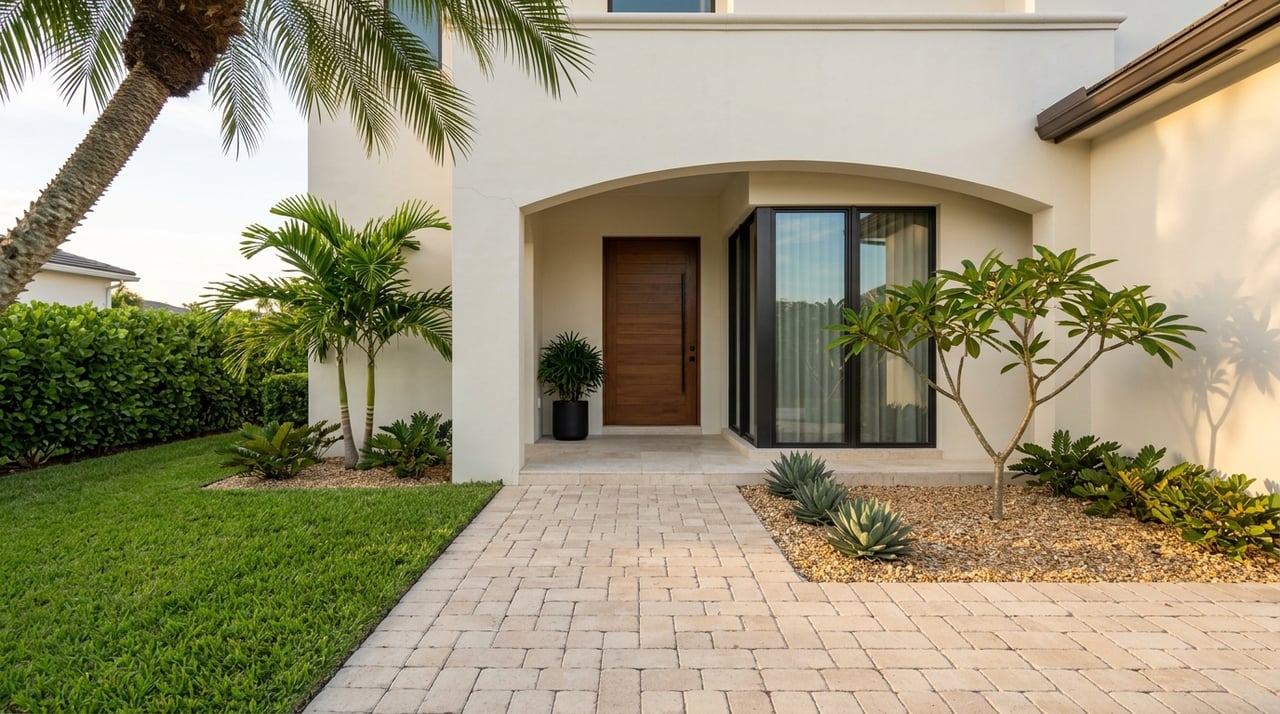
Planning A Move Within Cooper City FL As Your Needs Change
May 21, 2026
May 21, 2026
Thinking about moving in Cooper City, but not sure how to time it without turning your life upside down? That is a common challenge, especially when your current home still works in some ways but no longer fits your day-to-day needs. Whether you need more space, less upkeep, or a better layout for this next stage, a same-city move takes more planning than many people expect. The good news is that with the right strategy, you can make a smart move without leaving the community you know. Let’s dive in.
Moving within the same city may sound simple, but in Cooper City, it often comes with real tradeoffs. The city has a high owner-occupied rate of 85.9%, and the housing stock is primarily single-family homes. That means many homeowners stay for years, and when they do move, inventory may not give you endless options.
That local setup can affect both buyers and sellers. If you are upsizing, you may need to act quickly when the right home appears. If you are downsizing, you may need to search more carefully because smaller or lower-maintenance options are a much smaller share of the housing stock.
The local age mix helps explain why this kind of move is so common. In Cooper City, 25.4% of residents are under 18 and 16.0% are 65 or older. Some households are looking for more room, while others are looking for a home that is easier to manage.
Recent local numbers show why timing matters. In Q1 2026, Cooper City single-family homes had a median sale price of $682,000, a median time to contract of 58 days, 69 active listings, and 2.9 months of supply. On average, homes sold for 94.6% of original list price.
Those numbers point to a market that is active, but not overloaded with choices. For homeowners trying to sell one home and buy another in the same city, that can create a balancing act. You may not want to list too late and miss a buying opportunity, but you also may not want to buy first without a clear plan for your current home.
It is also worth noting that Cooper City’s median sale price was above the Broward County median of $615,000 in the same report. So even when you stay local, your next move can still involve a meaningful price jump depending on the home type, condition, and timing.
A same-city move usually starts with a simple question: Are you moving because your home no longer fits your life, or because the market creates an opportunity? In most cases, the answer is some of both.
You may be ready to move if:
Clarity matters here. Before you look at homes, define what is changing in your needs and what you want your next home to solve. That can keep you from making a rushed decision based only on emotion or curb appeal.
For most homeowners, selling first is the starting point. Consumer guidance from the CFPB says that if you want to move, you normally try to sell your home before buying another one. That approach can help you understand your budget more clearly and reduce the risk of carrying two homes at once.
Still, the decision depends on your finances, risk tolerance, and the type of home you want next. In a market with limited inventory, some buyers hesitate to sell first because they are worried they will not find the next property fast enough. That is where a clear strategy matters.
Selling first can give you a firmer picture of what you can spend on your next purchase. It may also put you in a cleaner financial position if you need proceeds from your current home for the next down payment, closing costs, or reserves.
This approach can also reduce pressure when making offers. If your current home is already under contract or closed, your financing path may feel much more straightforward.
If you need to buy before your current home sells, a home sale contingency may help protect you. Freddie Mac identifies home inspection, appraisal, mortgage or financing, and home sale contingencies as common contract terms.
A home sale contingency can allow the contract to be voided and earnest money returned if your current home does not sell in the agreed time. But there is a tradeoff. Freddie Mac also notes that sellers may continue marketing the property while you are still trying to sell your home, and too many contingencies can make an offer less attractive.
If your move depends on both a sale and a purchase, financing should not be an afterthought. Freddie Mac notes that a typical loan closing takes about 30 to 45 days after acceptance. The CFPB also warns that switching lenders later can delay or even endanger closing.
That is why it helps to understand your financing position before you actively shop. You do not need to guess what a lender will look at. The CFPB says lenders typically review your income, assets, employment status, savings, debt payments, credit history, and credit score.
The goal is not just approval. The goal is knowing what monthly payment feels comfortable for your life after the move.
One of the biggest mistakes local movers make is focusing only on the sale price of the next home. A move that looks manageable on paper can feel very different once all the monthly and upfront costs come into view.
The CFPB recommends budgeting for the full monthly housing payment, which can include:
Closing costs matter too. According to the CFPB, they typically run about 2% to 5% of the purchase price, not including the down payment. If you are moving within Cooper City, those costs should be part of your plan from the start.
The local ownership cost data reinforces that point. Census figures show median monthly owner costs of $3,091 for households with a mortgage and $989 for households without one. That is a useful reminder that your next home’s monthly carrying cost may matter just as much as the sale price.
For Florida homeowners, one of the most important parts of a same-city move is property tax planning. This is especially true if you are moving from one homestead property to another.
The Florida Department of Revenue says your homestead exemption does not automatically transfer when you move. You must apply again for the new property. Eligible homeowners may also be able to transfer all or part of their homestead assessment difference through portability.
Portability can help reduce the tax impact of moving from one Florida homestead to another. To apply, the Department of Revenue says Form DR-501T must be filed with your new homestead application. The due date is March 1 of the first year after your move.
This matters because tax estimates can shift more than buyers expect. Broward County’s Property Appraiser warns buyers not to assume property taxes will stay the same as the current owner’s taxes, since a change in ownership can reset assessed value to full market value.
Florida’s Save Our Homes rules cap annual assessment increases on a homestead property at the lower of 3% or CPI for the prior year. The state also explains that homestead exemption can provide up to $50,000 on a primary residence, with the first $25,000 applying to all property taxes and the additional up to $25,000 applying only to non-school taxes.
That means your current tax bill may reflect years of capped increases and homestead benefits. Your next property may not carry the same tax profile, even if it is just a few streets away.
A smooth local move usually comes down to preparation and sequencing. You want to know your numbers, understand your timing options, and stay realistic about available inventory.
A practical planning checklist includes:
This is where steady guidance can make a real difference. When your sale, purchase, financing, and tax questions all affect one another, a calm plan can help you avoid rushed choices.
A move within Cooper City is still a full real estate move. You are not just changing addresses. You are trying to line up pricing, timing, inventory, financing, and tax details in one of Broward County’s more owner-focused single-family markets.
That kind of move benefits from local market knowledge and clear communication. If you are weighing a move-up, downsize, or lifestyle change within Cooper City, working with someone who understands Broward timing, negotiation, and hands-on coordination can help you make cleaner decisions with less stress.
If you are thinking about moving within Cooper City and want a practical plan for selling, buying, or both, Grayson Adler can help you map out your next step with clear advice and steady execution.
Stay up to date on the latest real estate trends.



Get assistance in determining current property value, crafting a competitive offer, writing and negotiating a contract, and much more. Contact me today so I can guide you through the buying and selling process.